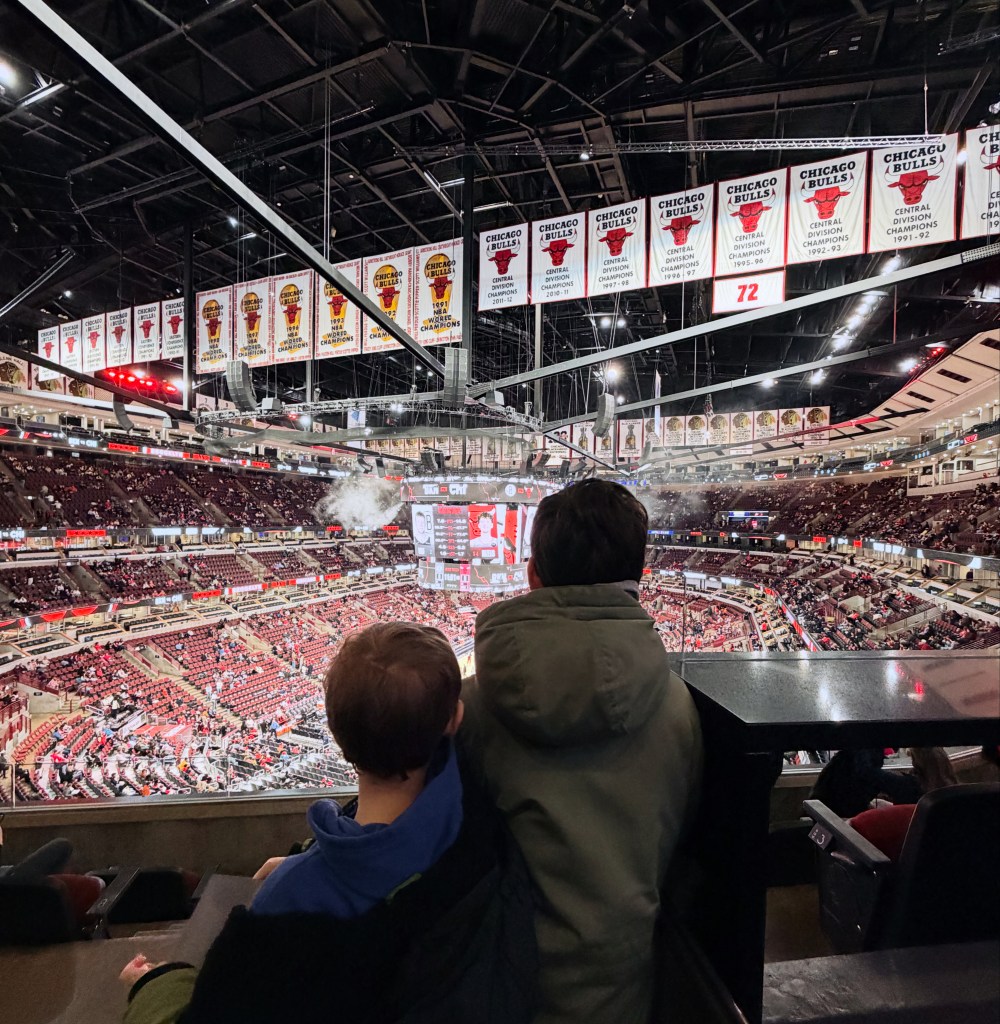
First game. January 18, 2026.
This is an interesting new piece by Malkasian recently out in the Texas National Security Review:
“This article examines the history of war and society during the Cold War in the Middle East and parts of South Asia—two regions linked by geography, history, and culture. Few other regions have been so touched by war, or so fixed the attention of world leaders. Two themes run through the article. The first is how politics, technology, society, and culture changed the conduct of war. The second is how the conduct of war changed politics, society, and culture. The overarching argument is that a combination of pressures spread forms of war—namely, guerrilla warfare and terrorism—that put the use of force in the hands of the people. This democratization of violence complicated the consolidation of state authority and was intertwined with the return of Islam as a political force. If war after 1945 for the United States and Europe became, to quote Michael Howard, “an affair of states and no longer peoples,” then in much of the Middle East and South Asia, it became an affair of peoples as much as states.”
 Paul Staniland